Blog

Learn how to point a domain to a new website while preserving MX, SPF, DKIM, DMARC, and other DNS records used by email and services.

Understand how PHP-FPM manages PHP workers, why requests queue, and which settings matter when diagnosing slow or overloaded websites.
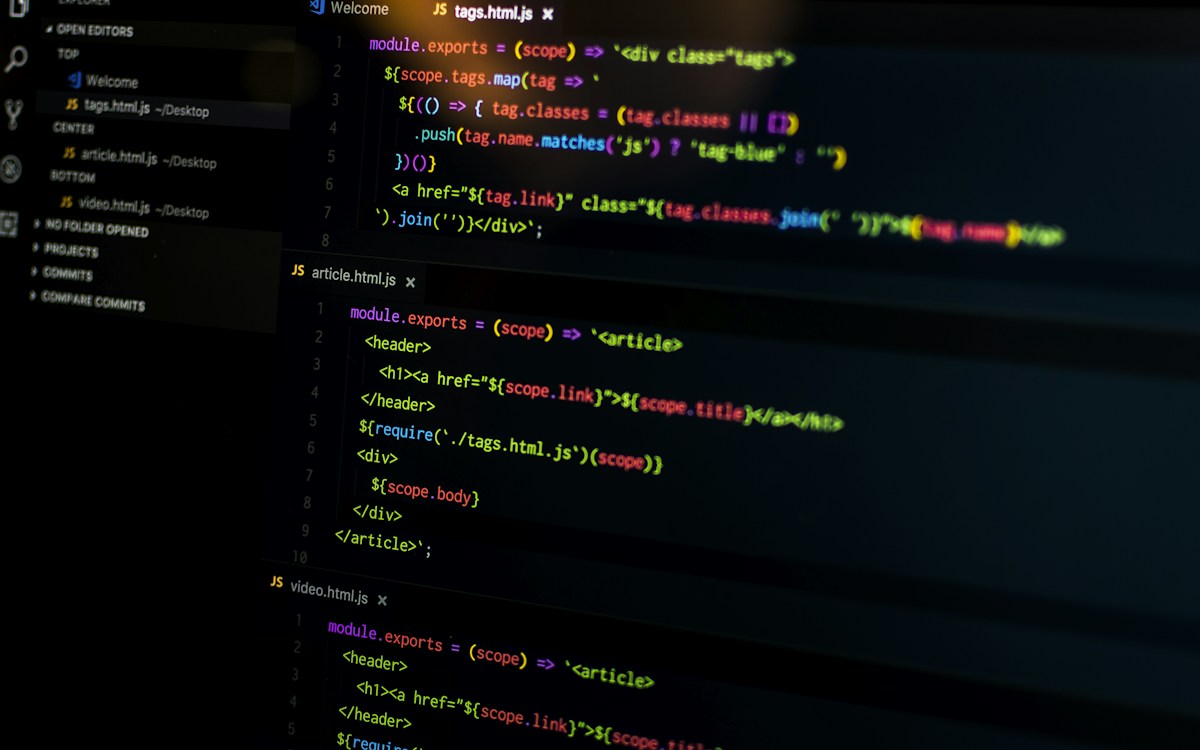
PHP is a server-side programming language used by many websites. The PHP version affects which language features are available and which application code can run. Before Upgrading Review your CMS ...
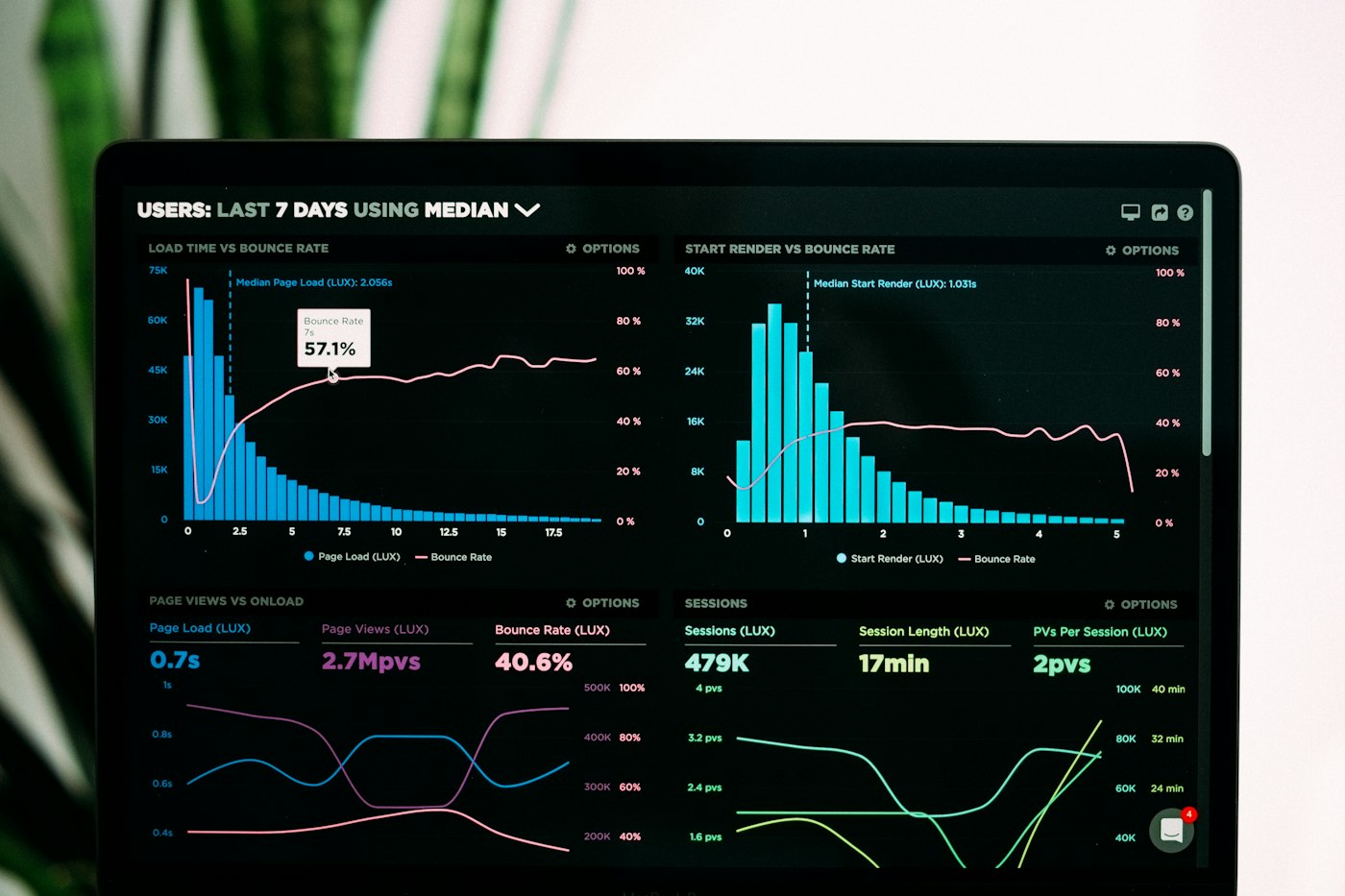
Use browser tools, timing data, logs, and controlled tests to find whether slow pages come from the network, server, database, or front-end assets.

Downtime can result from application bugs, expired certificates, DNS mistakes, resource exhaustion, hardware problems, or external service failures. Preparation can reduce the likelihood and impact of many incidents. Maintenance Apply ...

Learn what PHP memory limits mean, how WordPress memory errors occur, and how to identify whether a limit or inefficient code is the real problem.

DNS, or the Domain Name System, directs domain names toward services that handle them. Websites commonly use A or AAAA records, while email relies on MX and related records. Common ...
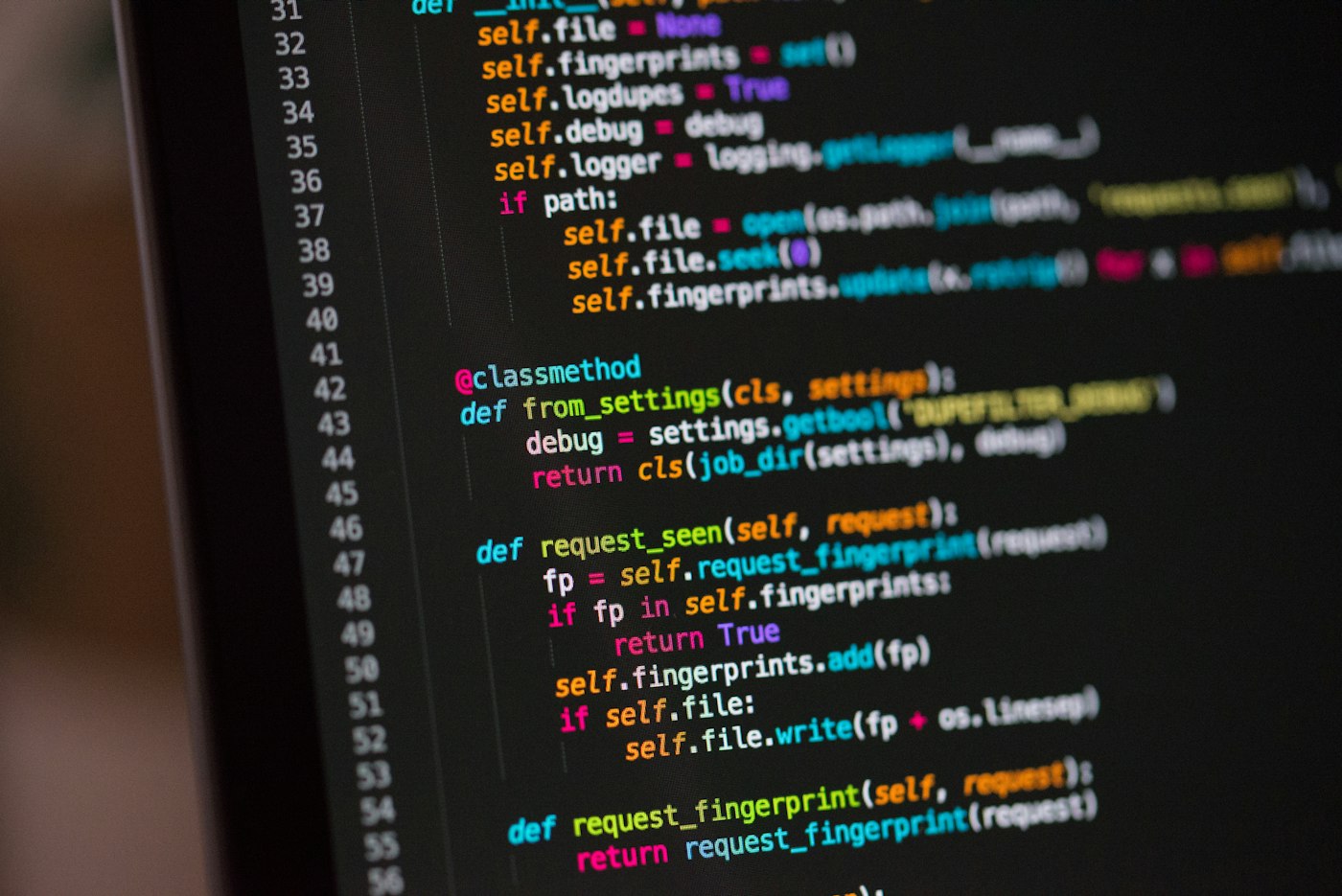
Learn what PHP extensions do, how applications depend on them, and how to diagnose missing-extension errors without enabling modules indiscriminately.
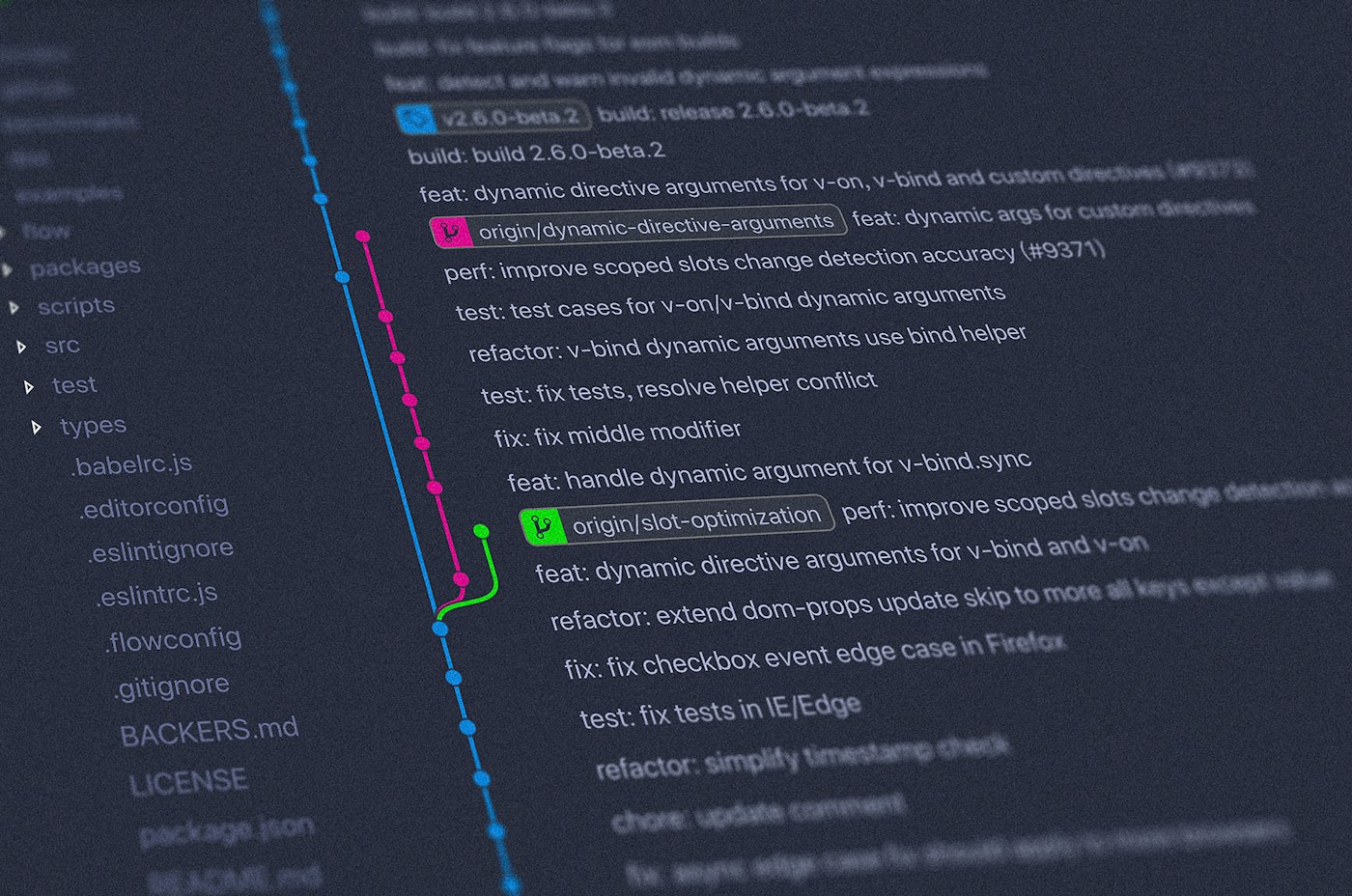
Protect WordPress administrator accounts with strong authentication, least privilege, safe recovery, and monitoring without disrupting legitimate access.

A favicon is a small icon associated with a website. Browsers may display it in tabs, bookmarks, and history. Keep It Simple Detailed artwork can become unreadable at favicon sizes. ...