Decoding the Hosting Maze


Choosing the right web hosting plan is a crucial first step when launching a website…
It’s like picking the foundation for your online home – a decision that significantly impacts your website’s performance, security, and scalability. But with a plethora of options available, navigating the jargon and understanding the differences between hosting types can feel overwhelming.
Today, we’re demystifying three of the most common hosting plans: Shared Hosting, Virtual Private Server (VPS) Hosting, and Dedicated Server Hosting. By understanding their core characteristics, advantages, and disadvantages, you’ll be better equipped to select the plan that perfectly suits your website’s needs and your budget.
Shared Hosting: Entry-Level Efficiency
Think of shared hosting as renting a room in a large apartment building. Your website resides on a powerful server along with numerous other websites, sharing the server’s resources like CPU, RAM, and bandwidth.
How it Works: Multiple websites are hosted on a single physical server. The hosting provider manages the server, including maintenance, security, and software updates. Each website has a designated amount of resources, but these are shared among all the sites on the server.
Ideal For:
- New bloggers and individuals: If you’re just starting out with a personal blog or a small portfolio site, shared hosting offers an affordable entry point.
- Small businesses with limited traffic: Websites with relatively low traffic and basic functionality can often thrive on shared hosting.
- Users with limited technical expertise: The hosting provider handles all the server administration, making it a hassle-free option for beginners.
Pros:
- Cost-effective: Shared hosting is generally the cheapest type of web hosting.
- Easy to manage: The hosting provider takes care of all the technical aspects.
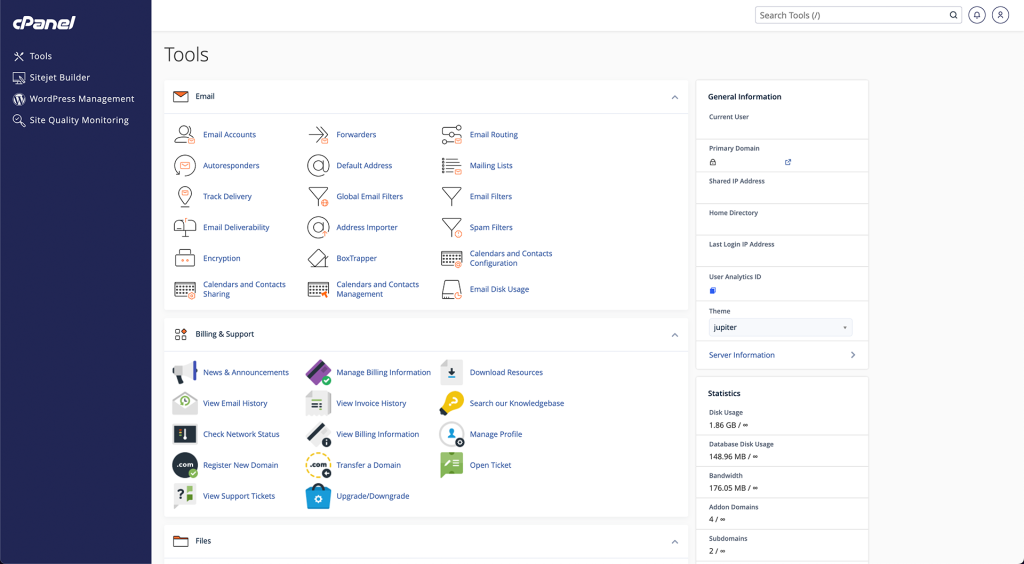
- User-friendly control panels: Most shared hosting plans come with intuitive control panels like cPanel or Plesk, making website management straightforward.
Cons:
- Limited resources: As resources are shared, your website’s performance can be affected by other websites on the same server experiencing high traffic or resource usage.
- Less control: You have limited control over the server’s configuration and software.
- Security risks: While providers implement security measures, being on a shared server can potentially expose you to security vulnerabilities affecting other sites.
- Scalability limitations: As your website grows in traffic and complexity, you might quickly outgrow the resources allocated in a shared hosting environment.
Example: A personal blog with a few hundred visitors per month, showcasing text and images, would be a good candidate for shared hosting.

VPS Hosting: The Best of Both Worlds
VPS hosting bridges the gap between shared and dedicated hosting. It’s like renting your own condo in a building. While you still share a physical server with other users, the server is partitioned into multiple virtual servers, each with its own dedicated resources.
How it Works: A powerful physical server is divided into isolated virtual environments using virtualization technology. Each VPS acts as an independent server with its own operating system, CPU, RAM, storage, and bandwidth. You have root access to your VPS, giving you greater control over its configuration.
Ideal For:
- Growing businesses and websites with moderate traffic: If your website is experiencing increasing traffic and needs more reliable performance than shared hosting can offer, a VPS is a good step up.
- E-commerce sites: The dedicated resources and greater security of a VPS are beneficial for online stores handling sensitive customer data.
- Developers and designers: The root access allows for more customization and the ability to install specific software and applications.
- Websites requiring specific server configurations: If your website or application has particular software dependencies, a VPS provides the flexibility to tailor the environment.
Pros:
- Dedicated resources: You are guaranteed a specific amount of CPU, RAM, and storage, leading to more consistent performance.
- Greater control: Root access allows you to customize your server environment, install software, and configure settings.
- Improved security: Isolation from other VPS users enhances security compared to shared hosting.
- Scalability: VPS plans often offer the flexibility to easily scale your resources as your website grows.
Cons:
- More expensive than shared hosting: VPS hosting comes at a higher cost due to the dedicated resources and increased control.
- Requires technical knowledge: Managing a VPS often requires some technical expertise, although managed VPS options are available where the provider handles server administration.
- Resource limitations: While you have dedicated resources, they are still limited to the specifications of your VPS plan.
Example: A small to medium-sized e-commerce store with hundreds to thousands of visitors per month, requiring secure transactions and reliable uptime, would benefit from VPS hosting.

Dedicated Server Hosting: Ultimate Power and Control
Dedicated server hosting is like owning the entire apartment building. You have an entire physical server exclusively for your website, with all its resources dedicated solely to your needs.
How it Works: You rent an entire physical server from the hosting provider. You have complete control over the server’s hardware, operating system, software, and configurations.
Ideal For:
- High-traffic websites and large enterprises: Websites with massive amounts of traffic and complex applications require the dedicated resources and bandwidth of a dedicated server.
- Resource-intensive applications: Applications that demand significant processing power and memory, such as gaming servers or video streaming platforms, need dedicated servers.
- Websites with strict security and compliance requirements: Having complete control over the server allows for implementing advanced security measures and meeting specific regulatory standards.
- Users with advanced technical skills: Managing a dedicated server requires significant technical expertise in server administration.
Pros:
- Maximum performance: All server resources are dedicated to your website, ensuring optimal performance and handling high traffic loads effortlessly.
- Complete control: You have full root access and can customize every aspect of the server environment.
- Enhanced security: You have complete responsibility for security, allowing you to implement the most robust measures.
- Highly customizable: You can choose the operating system, hardware specifications, and software configurations that best suit your needs.
Cons:
- Most expensive hosting option: Dedicated servers are the most costly type of web hosting.
- Requires significant technical expertise: Managing a dedicated server demands advanced server administration skills.
- Responsibility for server maintenance: You are typically responsible for server maintenance, security updates, and troubleshooting, unless you opt for a managed dedicated server plan. 1
1. itmahan.com
Example: A popular news website with millions of daily visitors or a large online gaming platform would typically require the power and control of a dedicated server.
Making the Right Choice
Choosing the right hosting plan depends on a variety of factors, including your website’s size, traffic volume, technical requirements, budget, and technical expertise.
- Start with Shared Hosting: If you’re a beginner with a small website and limited budget, shared hosting is a great starting point. You can always upgrade later as your needs evolve.
- Consider VPS Hosting for Growth: As your website grows and requires more resources and control, VPS hosting offers a significant step up in performance and flexibility without the high cost of a dedicated server.
- Opt for Dedicated Hosting for Maximum Power: If you have a high-traffic website, resource-intensive applications, or strict security requirements, a dedicated server provides the ultimate power and control.
By carefully evaluating your needs and understanding the characteristics of each hosting type, you can make an informed decision that sets your website up for success. Don’t be afraid to start small and scale up as your online presence grows. The key is to choose a hosting plan that meets your current requirements while providing room for future expansion.